Understanding Your Everyday Food-Related Decisions
Educational consultations focused on clarifying how daily choices emerge, which factors shape your eating patterns, and how context influences decisions throughout your day.
Explore the Format

How Everyday Choices Emerge
Throughout any typical day, people make numerous small, recurring decisions about eating. These choices happen in the morning when deciding what to have for breakfast, during work breaks when selecting a snack, at lunchtime when choosing where or what to eat, and in the evening when planning dinner.
Educational consultations explore these decision points as they naturally occur. The focus is on observing patterns: which choices repeat regularly, which vary depending on circumstances, and how these decisions fit into the rhythm of daily life. This is descriptive observation, not evaluation or instruction.
By clarifying when and how decisions emerge, these conversations help people recognize their own habitual patterns without imposing external standards or prescriptions.
Daily Flow: Sequence of Eating Moments
Every day follows a certain sequence of eating moments. Understanding this flow helps clarify when decisions typically occur and how different parts of the day present different situations.
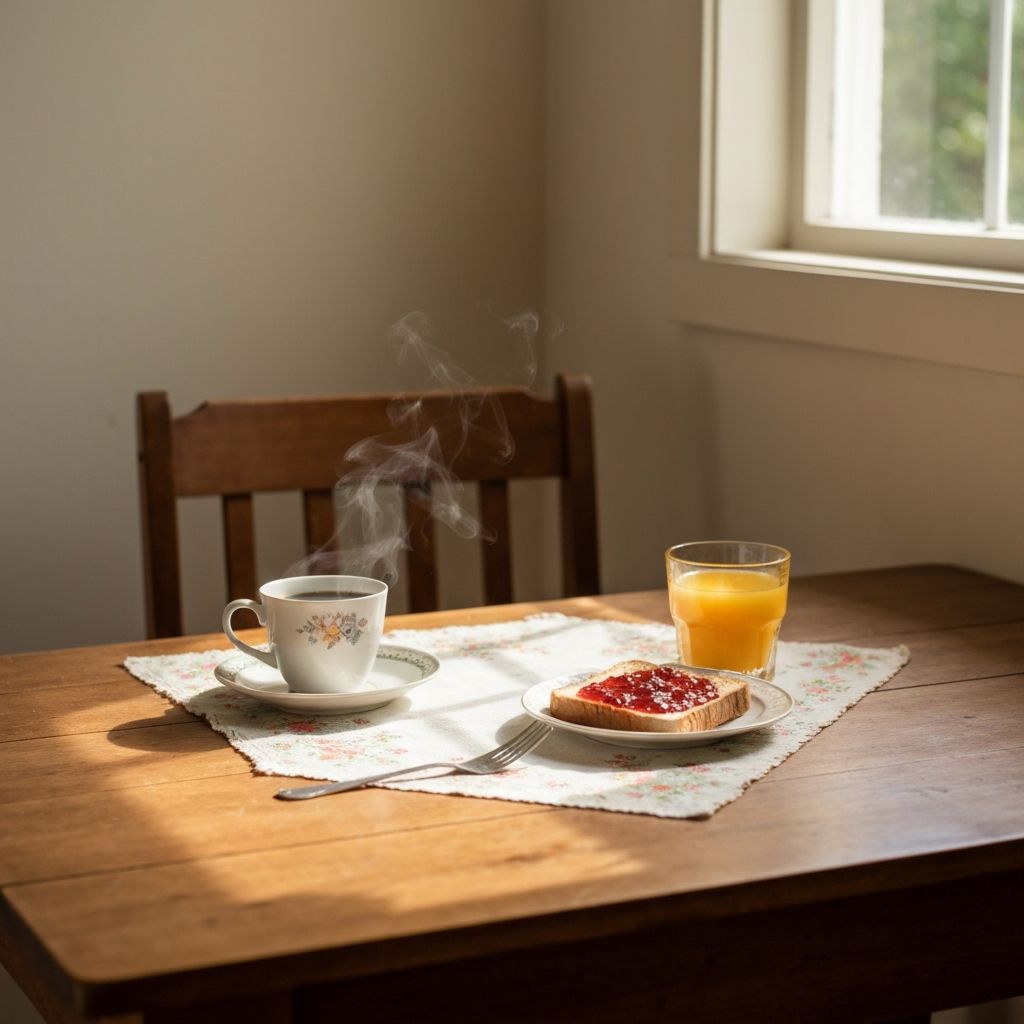
Morning Start
The day often begins with decisions made in a rush or according to established routines. Some people eat at home, others grab something on the way, and some skip the morning meal entirely. Time pressure and morning energy levels influence these choices.

Midday Breaks
The middle of the day typically includes main meals and smaller breaks. Workplace location, available options, budget considerations, and social context all play a role. Lunch may be eaten alone, with colleagues, or in a shared family setting.

Evening Close
Evening meals often involve more planning and preparation time. These decisions may be influenced by who is present, what ingredients are available, energy levels after a long day, and whether cooking is preferred or another option is chosen.
Factors Influencing Daily Decisions
Everyday food-related decisions are shaped by multiple factors that vary from person to person and from day to day. Time availability is one of the most significant influences: busy mornings leave little room for elaborate breakfasts, while calm weekends may allow for different choices.
The environment where decisions are made also matters. Being at home provides different options than being at work, traveling, or attending social events. Physical surroundings, available facilities, and nearby options all contribute to which choices become practical.
Daily pace affects decision-making as well. A hectic schedule often leads to quicker, more convenient choices, while slower days may open space for more deliberate decisions. These are not better or worse patterns, simply different responses to different circumstances.
Educational consultations identify these influencing factors in individual situations, helping to clarify why certain patterns emerge and how context shapes habitual choices.

Contexts: Where Decisions Take Place
Food-related decisions happen in various settings throughout daily life. Each context brings its own characteristics and influences the types of choices that are practical or preferred.

Home Environment
At home, people have access to their own kitchens, stored ingredients, and familiar tools. Decisions may involve cooking, assembling simple meals, or reheating prepared items. Time, energy, and household dynamics all influence what happens in this setting.

Work Settings
Workplaces present their own decision-making environment. Some locations have cafeterias, others require bringing meals from home, and many involve purchasing from nearby establishments. Break duration and workplace culture shape these patterns.

Outside Spaces
Eating outside the home and workplace happens in restaurants, cafes, street vendors, or while traveling. These situations often involve selecting from available menus, adapting to unfamiliar options, and navigating social or logistical circumstances.
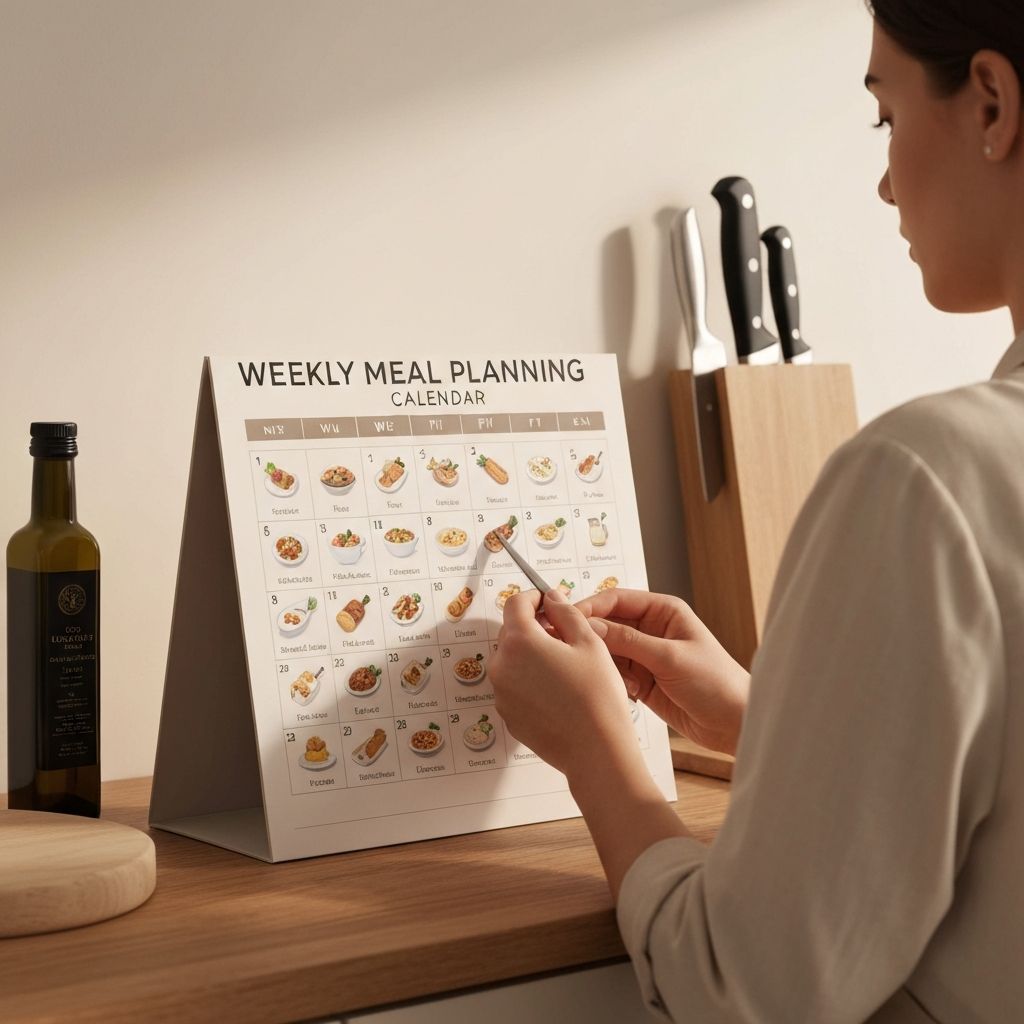
Routines: Repetition and Familiar Patterns
Most people develop routines around eating decisions. These patterns emerge naturally as responses to recurring schedules, predictable circumstances, and established preferences. Weekday routines often differ from weekend patterns due to work commitments and time structures.
Routines are not rigid rules but rather tendencies that provide continuity. They simplify decision-making by reducing the need to reconsider every choice from scratch. A typical weekday morning might follow a similar pattern, while weekends allow for variation.
Understanding existing routines helps clarify which aspects of daily eating patterns are intentional habits and which are simply automatic responses to circumstances. Educational consultations explore these patterns descriptively, observing how they function in real life without suggesting changes.
Variations within routines are normal and expected. Disruptions, special occasions, and changing circumstances naturally lead to different decisions, demonstrating that routines are flexible frameworks rather than fixed prescriptions.
Common Everyday Situations
Certain situations related to eating decisions occur regularly in daily life. Each presents its own decision-making scenario with particular characteristics and considerations.

Shopping Decisions
Grocery shopping involves selecting items that will later become meal options. These decisions anticipate future eating moments and are influenced by budget, storage capacity, familiarity with products, and planned meal ideas. Shopping patterns vary from frequent small purchases to less frequent larger stock-ups.

Eating Out
Dining at restaurants or cafes presents menus with predetermined options. Decisions involve choosing from available selections, considering prices, accommodating group preferences, and navigating unfamiliar cuisines. These situations reduce preparation effort but require different types of choices.

Social Occasions
Group meals and social events introduce additional considerations. Shared dishes, potluck contributions, hosting responsibilities, and accommodating multiple preferences all influence decisions. These situations often prioritize social connection alongside eating itself.
Life Rhythm: Time Pressure and Pauses
The overall rhythm of life significantly influences eating decisions. Some days are characterized by continuous activity and tight schedules, leaving minimal time for deliberate meal planning or preparation. Other days have a slower pace with more pauses and flexibility for different approaches.
Time pressure often leads to decisions that prioritize convenience and speed. Quick options, pre-prepared items, and familiar choices require less mental effort and fit more easily into compressed schedules. These are practical responses to real constraints, not failures of planning.
Conversely, days with more available time may allow for decisions that involve more preparation, experimentation, or social interaction around eating. Neither fast-paced nor slow-paced patterns are inherently preferable; they simply reflect different life circumstances.
Changes in life rhythm happen regularly due to work demands, travel, family needs, or seasonal variations. Educational consultations explore how individuals adapt their eating decisions to these shifting rhythms, recognizing that flexibility is a natural part of daily life.
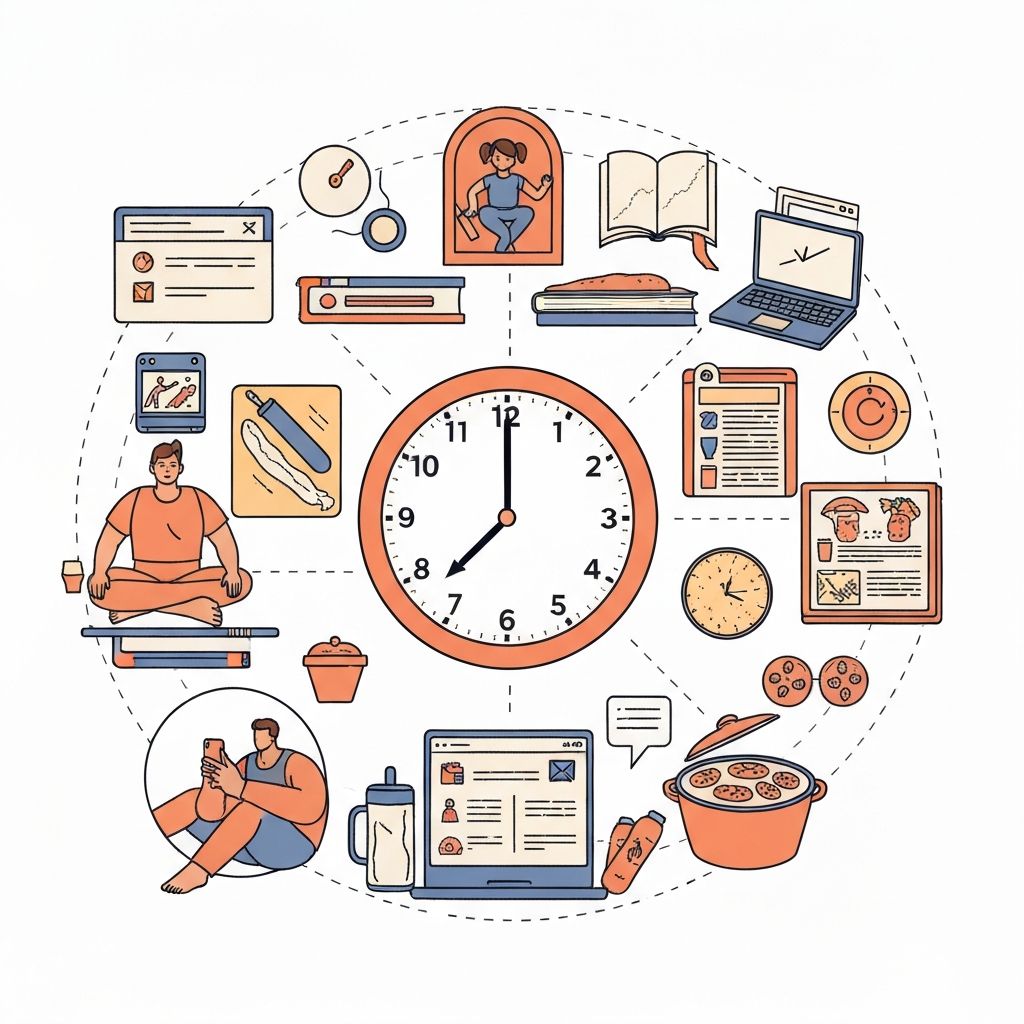
Limits of the Informational Format
It is important to understand clearly what this educational consultation format does not include. These conversations are strictly informational and descriptive, focused on clarifying how everyday decisions currently function in individual circumstances.
No Prescriptive Plans
Educational consultations do not provide meal plans, menus, schedules, or specific instructions about what to eat or when. There are no prescribed lists of recommended items, no mandatory patterns to follow, and no standardized protocols to implement.
No Measurements or Evaluations
These conversations do not involve analyzing choices as correct or incorrect, better or worse. There are no assessments, measurements, scoring systems, or judgments applied to eating decisions. The format is descriptive observation, not evaluation.
No Results or Timelines
Educational consultations do not promise outcomes, results, or effects. There are no claims about what will happen, no guaranteed changes, and no specified timelines. The purpose is understanding current patterns, not producing predetermined endpoints.
No Action Plans
Consultations conclude with a descriptive summary of the patterns and factors discussed, not with action steps, implementation strategies, or follow-up requirements. Individuals are free to use the information as they see fit without any prescribed next steps.
Frequently Asked Questions
What happens during an educational consultation?
Consultations are structured conversations with food-related professionals who ask questions about your daily eating decisions, typical routines, common situations, and contextual factors. The format is descriptive and informational, focused on understanding how your current patterns function.
Will I receive a specific meal plan or instructions?
No. Educational consultations do not provide meal plans, menus, prescriptions, mandatory lists, or specific instructions. The format is purely descriptive, exploring patterns without imposing external standards or recommended actions.
Are these consultations conducted online?
Yes. Educational consultations can be conducted through video calls, making them accessible regardless of location. The conversational format works well in online settings where participants can discuss patterns and situations in real time.
How long does a typical consultation last?
Duration varies depending on individual circumstances and the scope of patterns being explored. Generally, conversations range from 45 to 90 minutes, allowing sufficient time to discuss daily routines, common situations, and contextual factors in detail.
What should I prepare before a consultation?
No special preparation is required. Simply be ready to describe your typical eating decisions, daily routines, common situations, and the contexts in which choices occur. Real-life examples and honest descriptions of current patterns are most useful.
Will you analyze or evaluate my choices?
No. The educational format is descriptive, not evaluative. There are no assessments of choices as correct or incorrect, no scoring systems, and no judgments. The focus is on understanding how patterns function, not rating them.
Can consultations help with specific goals or outcomes?
Educational consultations do not promise specific results, outcomes, or effects. The format is informational, designed to clarify existing patterns rather than achieve predetermined endpoints. There are no guarantees or timelines associated with understanding patterns.
How do these consultations differ from nutritional counseling?
Educational consultations focus exclusively on describing everyday decision-making patterns in real-life contexts. They do not involve nutritional assessments, recommendations, or guidance. The format is informational conversation, not counseling or advisory services.
Will there be follow-up sessions or continued support?
Educational consultations are standalone informational conversations. There are no required follow-up sessions, ongoing monitoring, or continued support structures. Individuals may request additional conversations if they wish to explore other aspects of their patterns.
What qualifications do consultation professionals have?
Professionals conducting educational consultations have backgrounds related to food contexts and daily patterns. Their role is to facilitate descriptive conversations about everyday decisions, not to provide guidance, recommendations, or advisory services.
Are there any age restrictions for participation?
Educational consultations are designed for adults who make their own daily eating decisions. The format focuses on individual patterns, routines, and contexts as they occur in adult life circumstances.
How is information from consultations used?
Information discussed during consultations is used solely to facilitate the descriptive conversation itself. A summary may be provided at the end of the session, but there are no subsequent applications, implementations, or required actions based on the information shared.
Request Informational Materials
If you would like to receive informational materials about educational consultations on everyday food-related decisions, please provide your email address below.
Contact Information
Brand Name
DailyChoice
Address
Jalan Kemang Raya No. 98
South Jakarta 12730, Indonesia
Email
[email protected]
Phone
+62 21 7483 5912